
- Home
- Paver Patio Installation
Paver Patio Installation Services In Denver, CO
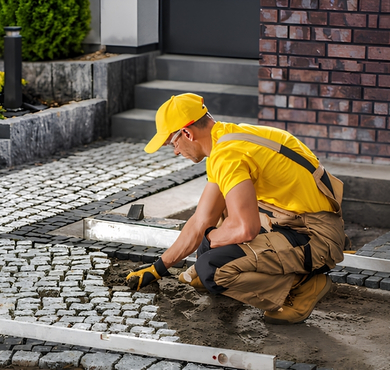
Kettle River LLC provides paver patio installation services in Denver, CO, for homeowners who want a backyard surface with a defined layout, repair flexibility, and better outdoor use. We build paver patios with compacted bases, interlocking patterns, edge restraints, drainage grading, and clean hardscape transitions.
- Professional Work For Stable Outdoor Floors
Paver Patio Construction Planned Around Base, Pattern & Drainage
A paver patio performs through the parts most people do not see: excavation, aggregate compaction, bedding layer, edge restraints, joint sand, and pitch. Kettle River LLC handles residential paver patio construction with site-specific planning for Denver yards, snowmelt, foot traffic, furniture loads, and patio-to-walkway movement.
Paver base compaction decides how the patio handles weight, water, and seasonal movement. We review soil conditions, excavation depth, aggregate layers, and bedding material before the paver field is placed, leveled, and restrained.
Interlocking paver patio design affects both appearance and surface behavior. We plan stone patterns around patio size, furniture zones, walking routes, border courses, and paver cuts, so the finished surface looks deliberate and functions cleanly.
Patio drainage and grading must be planned before installation, especially where snowmelt, downspouts, or sloped lawns affect water movement. We set the pitch so that water leaves the patio without pooling near doors, edges, or low-lying yard areas.
Paver joint sand stabilization helps keep the field locked, reduces washout, and limits weed growth between units. We also review whether sealing, maintenance, or repair work is needed for older paver patios with loose joints or shifting edges.

- About Our Company
Denver Paver Patio Contractors With Hardscape Construction Experience
Kettle River LLC brings 50 years of exterior construction experience to custom outdoor paver patios, concrete paver patio installation, walkway connections, and patio replacement services. Our work is planned around surface use, grade, drainage, edge control, and future outdoor living features.
Field Review
We check slope, access, soil behavior, existing concrete, and water movement before finalizing the paver patio layout.
Paver Systems
Our team installs concrete pavers, interlocking stone patterns, border courses, permeable paver systems, and patio-to-walkway connections.
Edge Control
Hardscape edge restraints help keep paver fields from spreading, especially along lawns, steps, walkways, and open patio sides.
Future Planning
We consider future fire pits, outdoor kitchens, seating walls, and walkway extensions before the final paver layout is built.
- Proper Drainage Systems
Benefits Of A Properly Installed Paver Patio
A paver patio can give your backyard a clean, usable outdoor living space foundation with strong pattern control and repair flexibility. When installed correctly, individual units can be serviced without replacing the entire patio surface.
Frequently Asked Questions
Why do paver patios sink or ripple after a few seasons in Denver?
Sinking or rippling usually comes from weak base compaction, thin aggregate layers, poor drainage, unstable soil, or missing edge restraints. Denver’s freeze-thaw cycles can exacerbate those problems when moisture accumulates beneath the paver field and expands during cold weather.
What is the purpose of joint sand in a paver patio?
Joint sand fills the spaces between pavers, helps transfer load, limits movement, and supports the interlocking system. Stabilized or polymeric sand can reduce washout and weed growth, but it still depends on proper drainage, edge restraint, and a compacted base underneath.
Are permeable paver systems useful for backyard patios?
Permeable pavers can help manage surface water when designed with the right base and drainage layers. They may be useful where runoff control matters, but the site must be evaluated for soil drainage, slope, patio use, and nearby structures before installation.
When should a paver patio be replaced instead of repaired?
Repair can work when one corner or a small section has shifted. Replacement is usually better when the base has failed across the field, water keeps pooling, edge restraints have moved, joints repeatedly wash out, or the patio layout no longer fits outdoor use.
Can a paver patio be connected to walkways, steps, or future outdoor features?
Yes. Paver patio and walkway construction should be planned together when possible, because pattern direction, border courses, elevation changes, and drainage pitch affect how surfaces meet. Future fire pits, seating walls, or kitchens may also need stronger base planning.

- Planning A New Project?