
- Home
- Stone Patio Installation
Natural Stone Patio Installation in Denver, CO
A stone patio is not a flat product dropped into the yard. Flagstone edges, bluestone thickness, joint spacing, and runoff paths all change how the patio should be built. Kettle River LLC brings 50 years of exterior construction experience to stone surfaces that need fitting, pitch, and field judgment.
- For Flagstone And Bluestone Patios
Natural Stones For Creative Patio Design & Outdoor Look
Manufactured pavers follow a predictable grid. Natural stone does not. That is why stone patio design and build work has to account for uneven slabs, mixed textures, variable thicknesses, and how each piece meets the next. A good layout starts with the site, then the stone.
Natural stone sourcing shapes the whole project before excavation begins. Flagstone, bluestone, and other patio stones vary in surface grip, thickness, edge shape, and color range, so the choice of material affects comfort, joint spacing, pattern flow, and installation method.
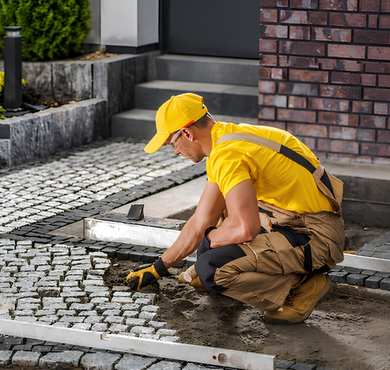
A stone patio can rock, dip, or hold water if the sub-grade is treated like an afterthought. Patio sub-grade preparation checks soil firmness, excavation depth, aggregate support, finished height, and how the surface meets doors, steps, lawn, or existing hardscape.
Flagstone patio installation can be dry-set, mortared, or built with a hybrid approach near steps, borders, and architectural stone patio features. The choice depends on drainage, joint width, stone thickness, repair expectations, and how fixed the surface needs to feel.
Water behaves differently on a natural stone patio because the joints are not uniform. Stone patio drainage solutions need to account for pitch, runoff direction, joint material, wide gaps, tight seams, and low spots where snowmelt can linger.

- About Our Company
Custom Stone Patio Builders Denver Homeowners Call For Material-Sensitive Work
Kettle River LLC brings construction-site judgment to residential stone patio construction, backyard stone patio installation, flagstone layouts, bluestone patio construction, and landscape hardscape integration. Natural stone rewards careful placement; rushed fitting usually shows later in rocking pieces, awkward joints, or uneven walking lines.
Fitting Skill
Irregular stone needs patient placement, tighter field adjustment, and joint decisions that keep the patio walkable, not just visually interesting.
Material Sense
Flagstone and bluestone handle texture, heat, moisture, furniture, and freeze-thaw movement differently across Denver's outdoor spaces.
Yard Connection
A stone patio should meet walkways, garden edges, steps, fire features, and nearby masonry without feeling like it was patched in.
Replacement Calls
Stone patio replacement services make sense when resetting pieces no longer solves base failure, joint washout, or poor surface pitch.
- Stone Fit & Drainage
How Natural Stone Installation Is Done With Care
Natural stone adds texture, weight, and a less manufactured look to an outdoor living space. When the base, joints, pitch, and sealing plan are handled correctly, the patio can feel grounded without becoming uneven, uncomfortable, or hard to maintain.
Frequently Asked Questions
Why does natural stone take longer to fit than concrete pavers?
Concrete pavers arrive in controlled sizes, while flagstone and bluestone vary from piece to piece. The installer has to manage thickness, edge shape, joint width, bedding adjustments, and finished height during placement. That field fitting is what keeps the patio comfortable to walk on.
Should a Denver stone patio be dry-set or mortared?
Dry-set stone can handle some movement and makes future resetting easier. Mortared stone provides a more fixed surface, but it requires careful drainage, stable subgrade work, and controlled joints. The right method depends on the stone, slope, exposure, and how the patio will be used.
What causes flagstone patios to rock or feel uneven underfoot?
Rocking usually points to poor bedding support, uneven sub-grade preparation, stone thickness variation that was not corrected during setting, or water movement below the surface. Natural stone needs support under each piece, not just a leveled area around the edges.
When is stone patio replacement better than resetting loose pieces?
Resetting is reasonable when movement is limited to a few stones. Replacement is usually smarter when the patio has a broad base failure, repeated joint washout, poor pitch, cracked stone, unsafe walking areas, or a layout that no longer fits furniture, steps, or yard access.
Does sealing natural stone change how the patio looks or performs?
Sealing can darken some stone, reduce staining, and help manage moisture absorption, but it will not fix drainage or base problems. Denver patios still need joint care, surface cleaning, and water movement control, especially where shade or snowmelt keeps the stone damp.

- Planning A New Project?